





The world is on the verge of a major transformation, and at the heart of it is 5G technology. We’ve all heard the buzz around 5G, but in 2025, we’ll start to truly see how it will reshape our digital lives. From faster internet speeds to innovations in industries we never thought possible, 5G promises to deliver on its potential in ways that go far beyond just better download speeds on our phones. Let’s dive into how 5G will transform the digital landscape in 2025 and what we can expect as this technology matures.
1. Ultra-Fast Internet Speeds: The Game-Changer for Connectivity
The most obvious—and exciting—impact of 5G will be the incredible speed. While 4G already brought us faster mobile internet, 5G will kick things into a whole new gear. Think of it this way: 5G will offer speeds up to 100 times faster than 4G. By 2025, downloading entire movies in seconds, smooth 4K streaming, and near-instant game downloads will be the norm.
For businesses and consumers alike, this means a massive leap forward in digital experiences. No more buffering when you’re watching your favorite shows, no more frustrating lag when you’re gaming online, and a seamless, uninterrupted experience when you’re working remotely. As more of our lives go digital, these speeds will make everything from video calls to cloud computing significantly smoother and more reliable.
2. The Internet of Things (IoT) Goes Mainstream
We’ve been talking about the Internet of Things (IoT) for years, but 5G is the key that will unlock its full potential. With 5G’s low latency and high bandwidth, millions of connected devices can communicate seamlessly in real-time. By 2025, smart homes and cities will be far more advanced, with everything from your refrigerator to streetlights connected to the internet.
Imagine walking into your house, and the lights automatically adjust to your preferences, the thermostat kicks on to your ideal temperature, and your refrigerator sends a message to your phone telling you you’re running low on milk—all without a second thought. In smart cities, traffic lights, public transport, and even waste management systems will be optimized by real-time data, leading to more efficient, sustainable urban environments.
3. Revolutionizing Autonomous Vehicles
The rise of self-driving cars has been in the works for a while, but 5G will finally give them the speed and real-time data they need to be fully functional. With ultra-low latency and high reliability, 5G will allow autonomous vehicles to communicate with each other and with the infrastructure around them (like traffic lights and road sensors) almost instantly.
By 2025, we’ll likely see autonomous vehicles being used in limited areas and on certain routes, transforming everything from personal transportation to logistics. Expect safer roads, as vehicles will be able to “talk” to each other to avoid accidents, and more efficient transportation, as real-time traffic data allows for optimized routes. Delivery drones and self-driving trucks will become more common, changing how goods are shipped and delivered.
4. Enhanced Virtual and Augmented Reality (VR/AR)
Virtual and augmented reality have been around for a while, but they’ve often been limited by the technology’s processing power and the speed of data transfer. With 5G’s high bandwidth and low latency, we’ll see a huge leap in the immersive experiences VR and AR can offer. Whether it’s for gaming, remote work, or healthcare, 5G will create more seamless, lifelike experiences.
By 2025, VR and AR will be more than just a fun way to play games or watch videos. Businesses will use AR for things like virtual meetings, and industries like real estate will allow you to take virtual tours of homes from anywhere in the world. Healthcare professionals will use AR for surgeries or diagnostics, providing real-time data overlays during procedures. The possibilities are endless.
5. Transforming Healthcare with Telemedicine and Remote Monitoring
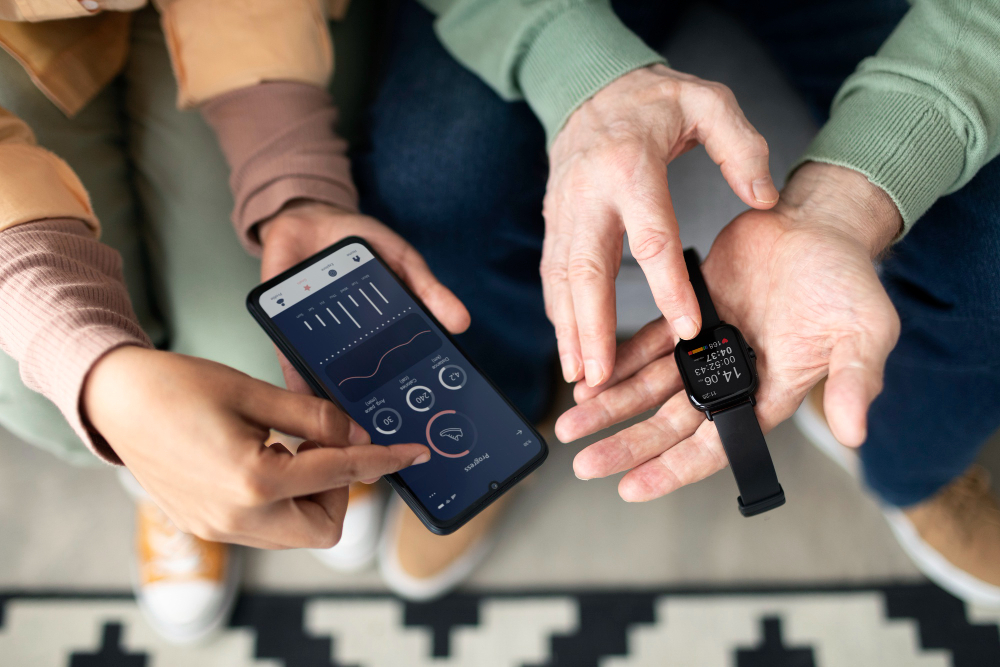
The COVID-19 pandemic showed the world the importance of remote healthcare, and 5G will take telemedicine to the next level. With faster speeds and more reliable connections, doctors will be able to conduct virtual consultations with zero lag. Additionally, 5G will enable real-time remote monitoring of patients’ health through wearables and other connected devices, allowing for continuous care.
By 2025, we could see more patients managing chronic conditions remotely, with healthcare providers receiving real-time data on things like heart rate, blood pressure, or glucose levels. This will not only improve patient outcomes but also help reduce healthcare costs and make medical care more accessible to people in remote or underserved areas.
6. New Opportunities in Gaming and Entertainment
5G is going to revolutionize the world of gaming. With low latency and high speeds, cloud gaming will become a major force in 2025. Streaming services like Google Stadia, NVIDIA GeForce Now, and Microsoft’s xCloud will allow gamers to play high-quality, graphics-heavy games without the need for expensive gaming hardware. All you’ll need is a device with a 5G connection.

Beyond gaming, entertainment will also benefit from 5G’s ability to handle high-definition content. Expect to see even more immersive live-streamed events, including concerts and sports, all in 4K or even 8K resolution. Interactive and immersive content will become the new norm, as 5G enables richer, faster experiences.
7. The Future of Work: Seamless Collaboration and Remote Connectivity
Remote work and virtual collaboration tools have become more essential than ever. In 2025, 5G will empower remote teams to work together in ways that feel just as effective as in-person meetings. Real-time collaboration on large files, seamless video conferencing, and instant cloud access will all be possible, thanks to 5G’s lightning-fast internet speeds.
For industries like education, 5G will enhance online learning experiences with smoother video lectures and interactive virtual classrooms. In other sectors, professionals will be able to virtually meet and collaborate with ease, regardless of their location. The boundaries between home and office will blur even further, making remote work even more productive and integrated.
Conclusion: A Digital Future Powered by 5G
By 2025, 5G will have revolutionized the way we connect, communicate, and interact with the world. Its speed, low latency, and high capacity will transform industries across the board, from transportation and healthcare to entertainment and gaming. While we’re only scratching the surface now, the impact of 5G will become increasingly clear as we move toward 2025—and beyond. Get ready, because the digital landscape is about to change in ways we could only dream about just a few years ago.