





Green Technology: How Innovation Is Powering a Sustainable Future
As the world faces the twin challenges of climate change and resource depletion, one solution is emerging as the ultimate hope — green technology. In 2025, innovation is leading the charge toward a sustainable, eco-friendly planet. From renewable energy to smart agriculture and carbon-neutral cities, green technology is not just a trend — it’s the foundation of our future.
Let’s explore how groundbreaking innovations are transforming industries and helping humanity build a more sustainable world.
🌍 1. What Is Green Technology?
Green technology, often called cleantech, refers to the development and use of products and processes that conserve natural resources and reduce environmental harm. It combines science, engineering, and digital innovation to promote sustainability across energy, transport, agriculture, and construction sectors.
Core principles of green tech include:
-
Reducing pollution and carbon emissions
-
Enhancing energy efficiency
-
Promoting renewable energy sources
-
Encouraging circular economies and recycling
-
Preserving biodiversity and ecosystems
⚡ 2. Renewable Energy Revolution
The most visible symbol of green innovation is the shift to renewable energy. Solar, wind, hydro, and geothermal power are replacing fossil fuels as the world’s main energy sources.
In 2025:
-
Solar panels have become more affordable and efficient, with flexible solar films powering homes and cars.
-
Offshore wind farms produce record-breaking clean energy capacity.
-
Breakthroughs in energy storage using solid-state and hydrogen batteries enable consistent power supply even during low sunlight or wind conditions.
This renewable revolution is helping nations achieve net-zero emissions faster than predicted.
🏙️ 3. Smart Cities and Sustainable Infrastructure
Urbanization continues to grow, but smart cities are leading by example in sustainable living. Equipped with sensors, IoT devices, and AI-driven systems, these cities reduce waste and optimize energy use.
Key innovations:
-
Smart grids that manage electricity flow efficiently.
-
Green buildings using recycled materials and solar rooftops.
-
Electric public transport networks powered by renewable energy.
-
Vertical gardens and green rooftops improving air quality and reducing heat.
Cities like Copenhagen, Singapore, and Amsterdam are global models for sustainable urban development.
🚗 4. Electric and Hydrogen Mobility
Transportation is a major contributor to global emissions — but green technology is rewriting the rules.
In 2025:
-
Electric Vehicles (EVs) dominate markets, supported by widespread charging infrastructure.
-
Hydrogen fuel cell vehicles are gaining momentum for long-distance travel and public transport.
-
Smart traffic systems powered by AI reduce congestion and energy waste.
Beyond cars, even electric airplanes and ships are being tested — marking the dawn of a truly green transportation era.
🌾 5. Green Agriculture and Food Innovation
Feeding a growing global population sustainably is one of our century’s greatest challenges. Thanks to green technology, agriculture in 2025 is becoming smarter and more efficient.
Innovations include:
-
Precision farming using AI drones and sensors to monitor crops.
-
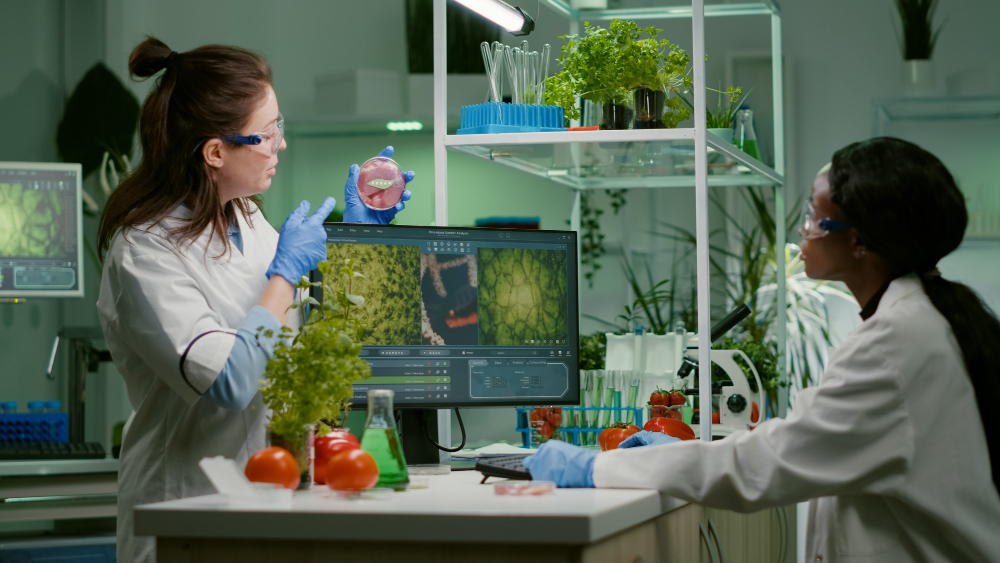
Vertical farming that grows food indoors using minimal water and land.
-
Lab-grown meat and plant-based proteins reducing dependence on livestock farming.
-
Sustainable irrigation systems powered by solar energy.
These technologies are cutting food waste and helping farmers adapt to climate change.
🏗️ 6. Eco-Friendly Construction and Materials
The construction industry is undergoing a green revolution. Eco-materials like bamboo composites, recycled concrete, and 3D-printed homes are reducing environmental footprints.
Green building practices emphasize energy efficiency, natural lighting, and passive cooling systems. In addition, carbon capture cement — which absorbs CO₂ instead of emitting it — is becoming a game-changer for the industry.
🌱 7. Waste Management and Circular Economy
In the past, waste was a problem. In 2025, it’s a resource. The rise of the circular economy means products are designed to be reused, repaired, and recycled.
Key advancements:
-
AI sorting robots that separate recyclables from waste automatically.
-
Biodegradable plastics made from algae and corn starch.
-
Waste-to-energy plants converting trash into usable power.
This shift is creating new industries and dramatically reducing landfill pollution.
🌐 8. Digital Innovation Meets Sustainability
The integration of AI, blockchain, and IoT is making green technology smarter and more effective.
Examples:
-
AI-driven climate models help predict weather patterns and optimize resource use.
-
Blockchain ensures transparency in carbon trading and renewable energy tracking.
-
IoT sensors monitor energy consumption in real time, reducing waste.
This digital-green synergy is accelerating global sustainability efforts.
🔋 9. Energy Storage and Carbon Capture Breakthroughs
Energy storage remains a key challenge, but 2025 has seen major progress. Innovations in lithium-sulfur and graphene-based batteries offer higher efficiency and longer life spans.
Meanwhile, carbon capture and storage (CCS) technologies are being used in factories and power plants to trap CO₂ before it reaches the atmosphere. Some projects even repurpose carbon into usable materials like fuel, plastic, or concrete.
🌟 10. A Greener Tomorrow: Innovation for Future Generations
The most inspiring aspect of green technology is its vision for future generations. Every innovation — from clean energy to sustainable fashion — contributes to a healthier planet and a stronger economy.
In 2025, sustainability is no longer optional; it’s the new standard for growth. Businesses, governments, and individuals are realizing that green innovation is the key to long-term prosperity.
💡 Final Thoughts
Green technology is not just changing the way we live — it’s ensuring we can continue to live on this planet. With every solar panel installed, every electric car launched, and every tree planted by a drone, we move closer to a sustainable and resilient future.
Innovation is our greatest renewable resource.